No copies that drift
The source is where knowledge is already written: repositories, API specification, and existing documentation, synced on their own and versioned.
IaGents AI-powered business automation
A single, versioned, permission-aware source of knowledge that your team and your agents query the same way.
Discuss a deployment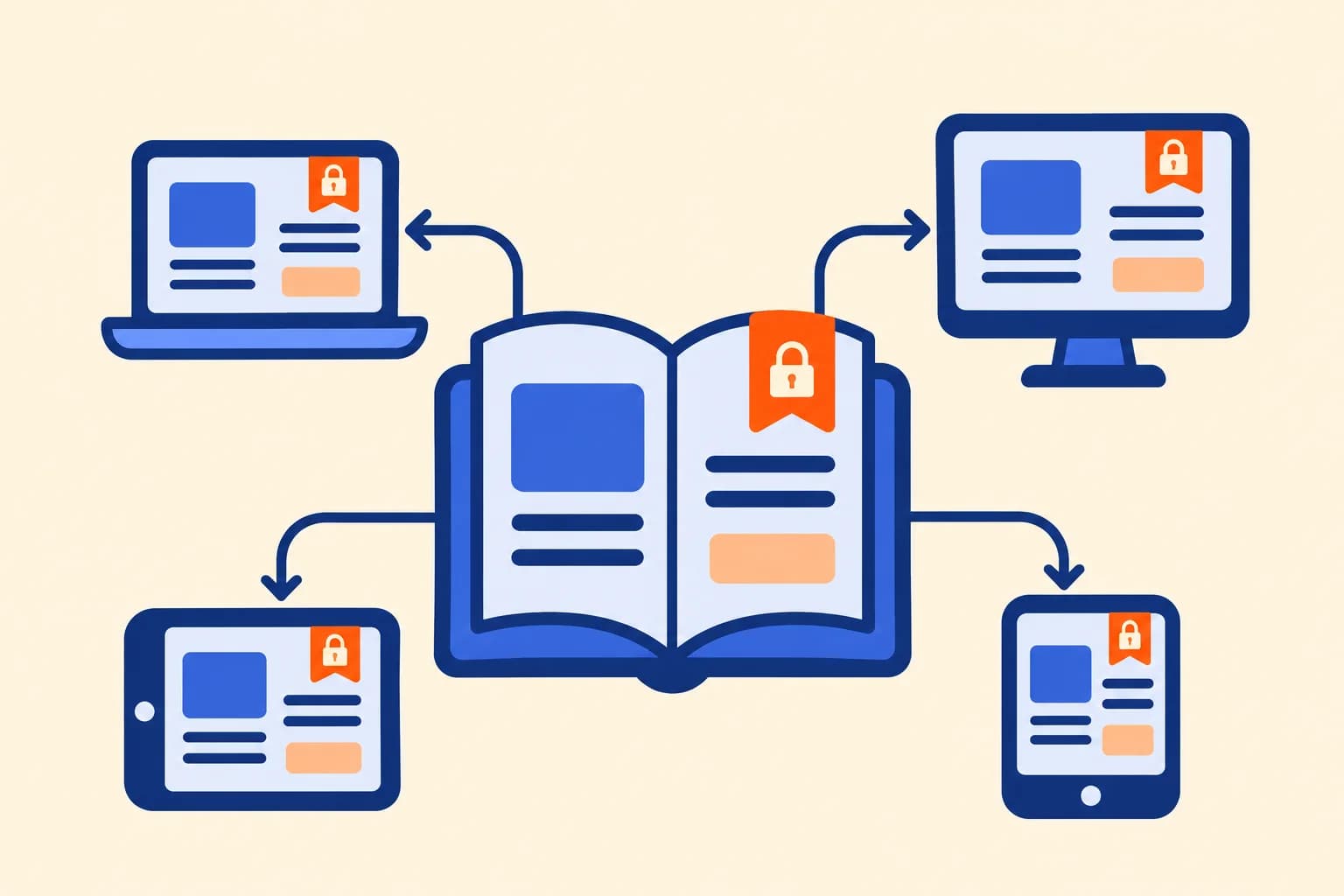
A person decides at this step
People and agents query the same corpus. Whatever goes in is approved by a person.
Company documentation lives in copies: a wiki nobody updates, a file someone exported months ago, a chat thread where something was decided. Each copy drifts at its own pace and the links between them break. When AI agents arrive, the problem multiplies: their memory is loose files with no author or date, and whatever is agreed while talking to them is lost when the session closes.
The company brain is a single versioned source, with no copies, that people and agents query under the same permissions. It answers by citing the document and its version, and when it has no backing it says "I don't know" instead of making something up.
We start from where knowledge is already written: the main branch of your repositories (documentation, README files, and decisions), your API specification, and whatever documentation already exists. We do not ask anyone to rewrite anything or to maintain a second copy.
Those sources sync on their own. Mirrors are indexed twice a day and the documentation site is rebuilt every ten minutes. It never publishes a change that has not been merged, and if something fails it keeps serving the last good version and raises an alert.
Before any model sees anything, each document is split by headings and assigned to permission zones by group. The permission filter is applied before results are ranked, not after, and a document that appears to contain a secret is discarded entirely. Search combines full-text and semantic retrieval, and the model runs in the European Union.
Documentation changes go in through a review that a person approves. Memories saved by agents carry an author, an origin, and a version, and they only count for the team once an administrator approves them. No agent can approve or share.
A documentation site that is always current and a chat that cites the document and version in every sentence; without backing, it answers "I don't know" and shows the closest documents. The coding agents your team already uses query the same corpus with each person's identity and see exactly their zones, not one more. The indexes are derived: they can be rebuilt from the sources at any time.
We define with you which sources are valid, how they are updated, and who can query what, and we measure answer quality against a set of reference questions that grows with use.
Companies with documentation spread across repositories, wikis, and exports, where the team already asks AI assistants and nobody knows whether the answer comes from the right version. Especially useful once coding agents start touching systems and need the same rules as people.
The knowledge layer is running for a digital publisher, built in weeks. In their previous system, documentation drifted out of date without anyone noticing. We started from their repositories, their API specification, and the documentation that already existed; syncing, permission zones, and the citing chat went live without anyone rewriting anything or maintaining a second copy.
Before opening it to the team we evaluated it against a set of reference questions: the citation has to be the right one, the document has to appear among the top results, no sentence may go without a citation, and off-topic questions have to get an "I don't know." That set grows with use and is the same one we measure in every rollout.
The source is where knowledge is already written: repositories, API specification, and existing documentation, synced on their own and versioned.
Each person and each agent sees their zones, not one more. The filter is applied before results are ranked, and a document suspected of holding secrets is discarded.
Every sentence cites the document and version; without backing, it answers "I don't know." We check it against a set of reference questions before opening it to the team.