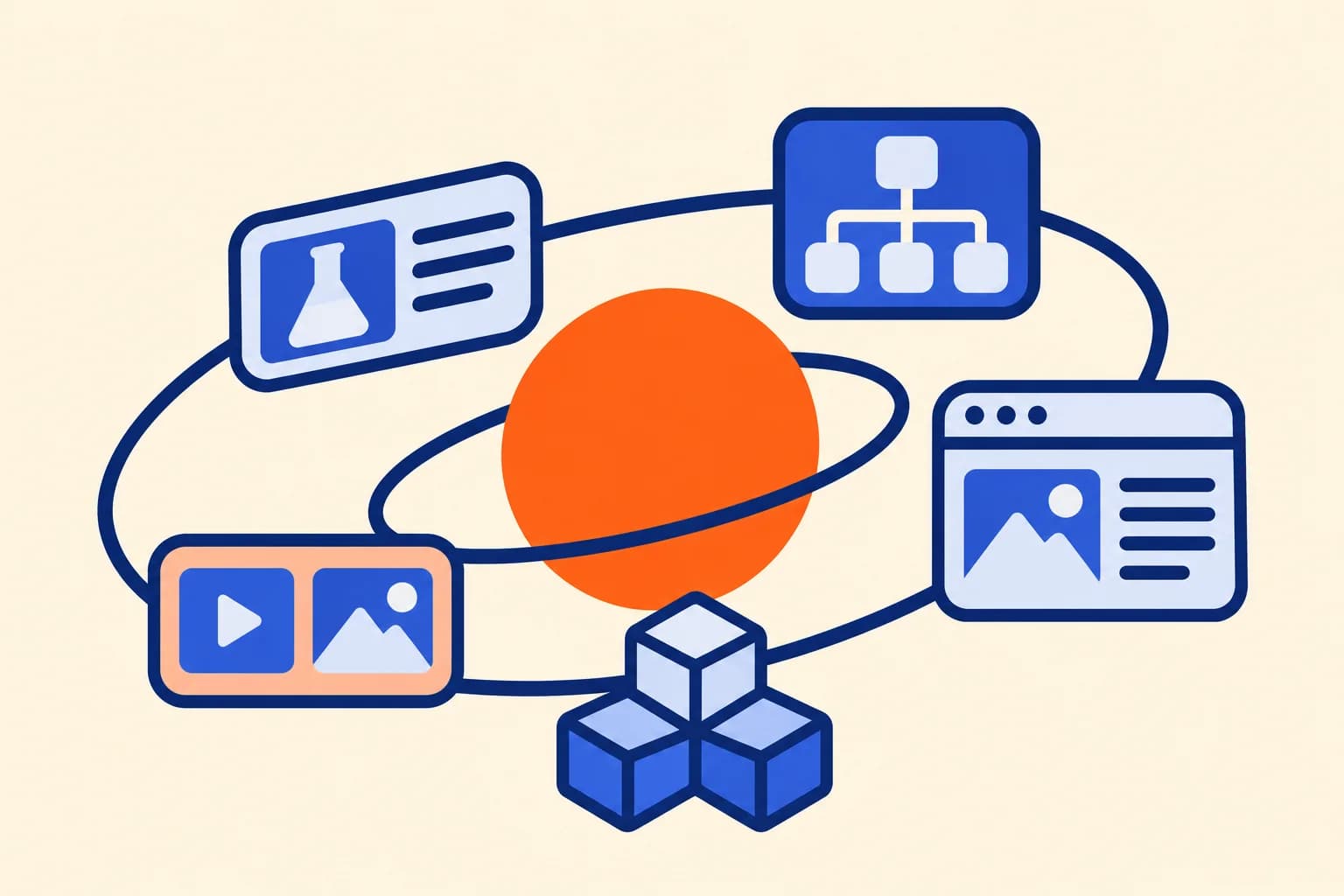
A science website can combine news, videos, images, and reference entries within an infrastructure that has grown over years. In an international project, we have worked across those layers as one program: archive classification, CMS and frontend evolution, infrastructure preparation, and launch controls. The method builds on existing code and data, as well as on the new requirements.
Understand what already works
Diagnosis covers routes, templates, APIs, content types, and dependencies. It also identifies search, forms, distribution, advertising, and analytics. A redesign can introduce a new experience while preserving the contracts the business needs. Removing a script or changing a cache requires knowing its purpose and verifying its effects; it is not decided just because it looks unnecessary in the browser.
Reorganize the archive with evidence
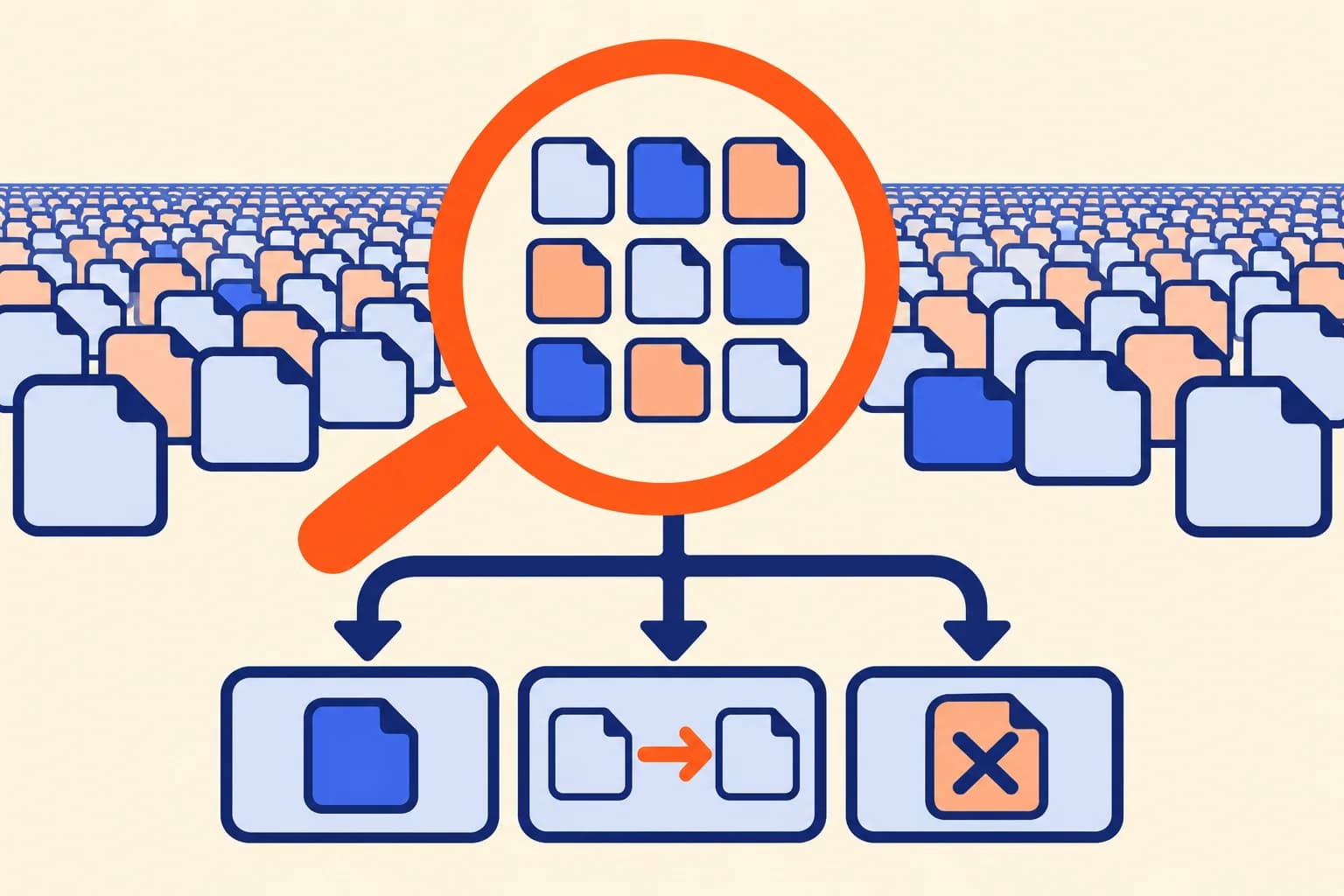
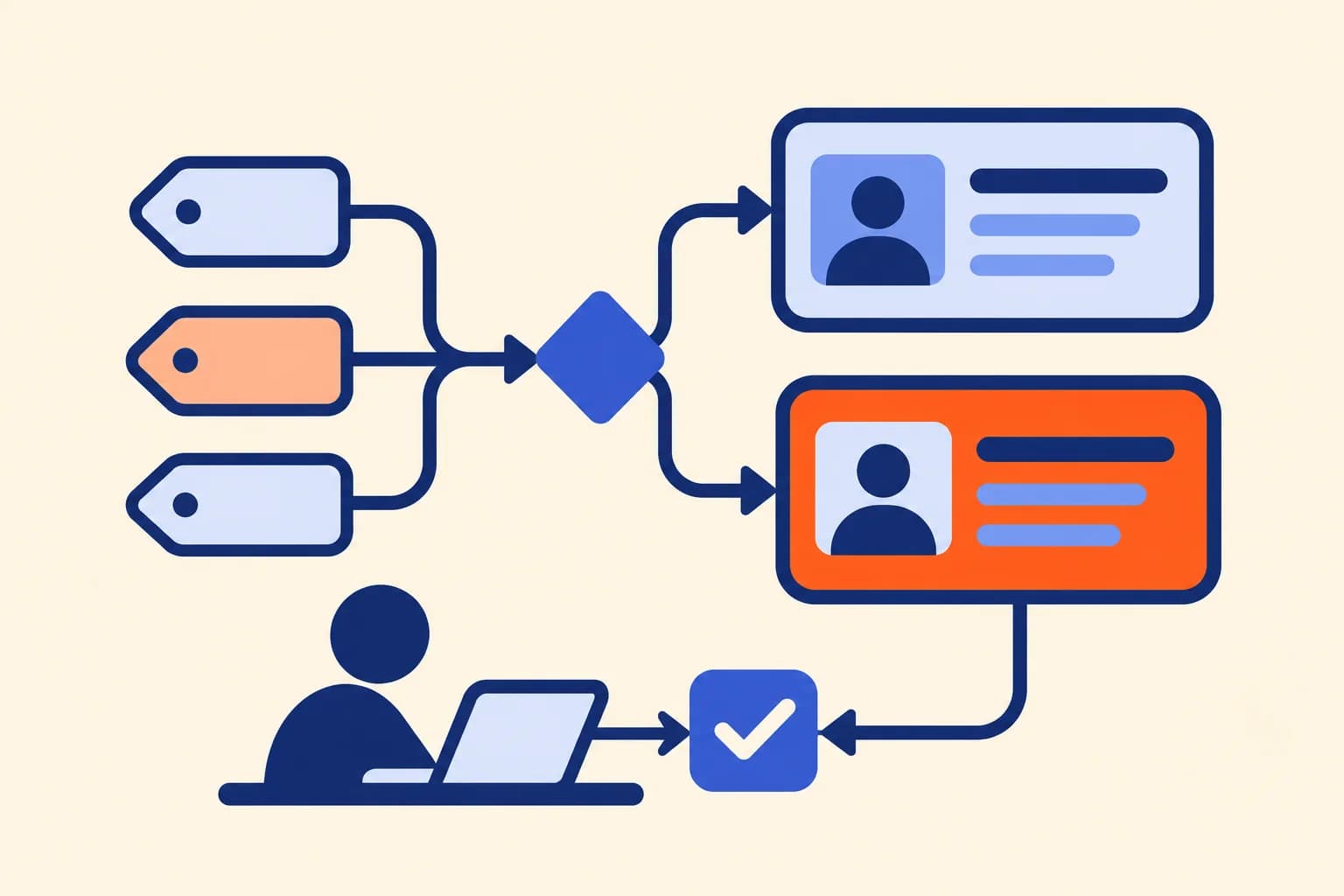
Classification starts from a recent CMS snapshot containing identifiers, URLs, taxonomies, and metadata. The pipeline cleans content, computes semantic representations, classifies sections, and normalizes tags. It produces manifests and review material without publishing changes by itself. Rules distinguish formats, sections, and cross-cutting topics so that a piece does not change URL every time a tag is modified.
Ambiguous cases are flagged using observable criteria. Editorial review decides; a model's self-reported confidence is not enough to approve a classification. The importer retains the original identity and allows simulation before writing.
Connect experience and operations
The CMS and the frontend are tested against their actual contracts. We review caching, search, images, structured data, and error states. Image transformation deserves a layer of its own when its cost or behavior affects the site; variants are bounded, and checks verify that the result decodes and has the expected dimensions.
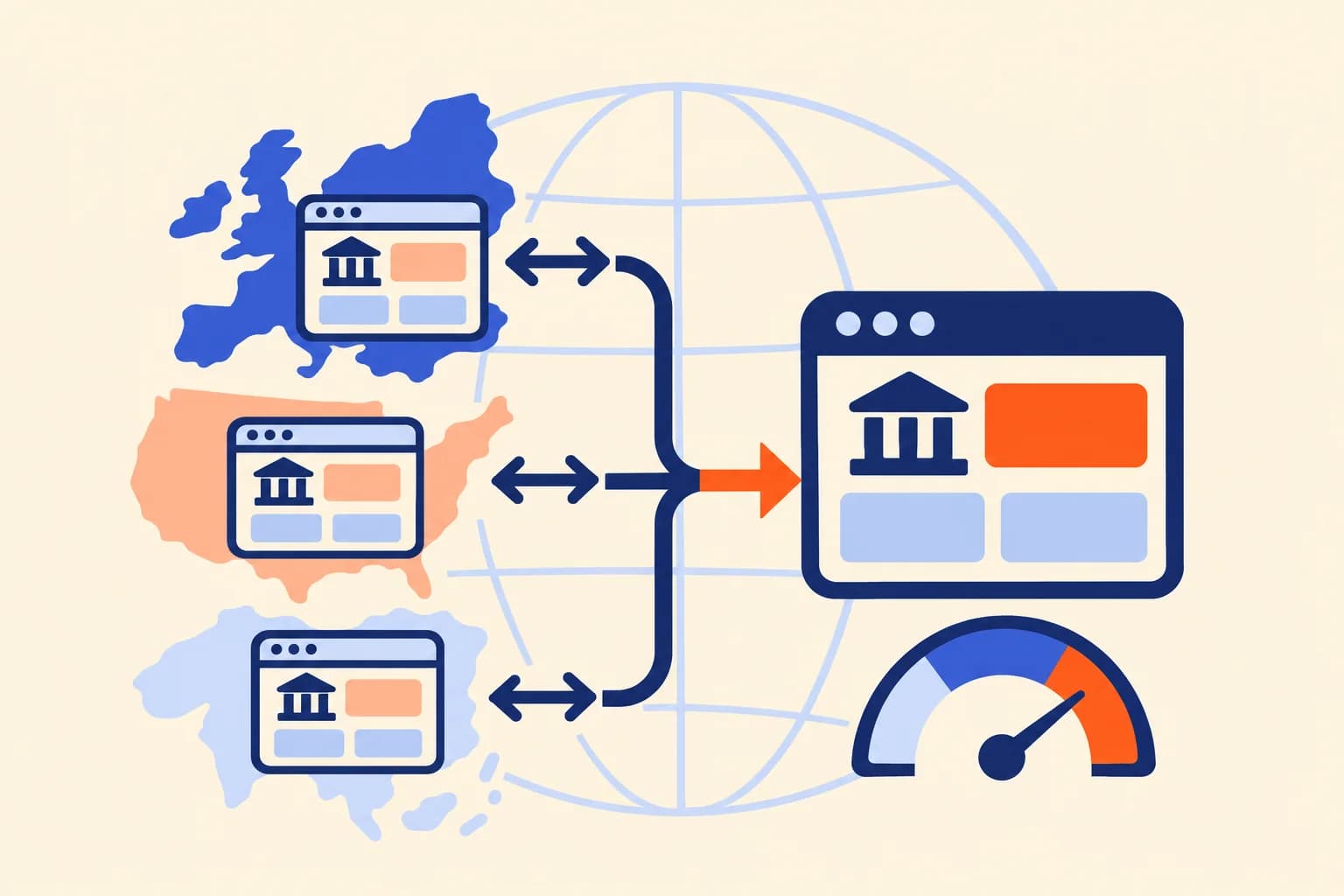
Infrastructure covers networking, storage, databases, application execution, CDN, protection, and observability. Separating an application from a shared account requires a dependency inventory so that other products are not affected.
Stage launch and recovery
A cutover plan brings together data loading, redirects, robots, sitemaps, permissions, and business checks. Backups come with verification and restoration procedures. Monitoring combines external signals with internal diagnosis.
The documented work includes implemented components and an evolution with its own milestones; we do not present every phase as a completed public launch. The value lies in being able to review what was delivered, promote it with controls, and maintain it afterward. That coordination makes it possible to offer an end-to-end project with a single technical owner.