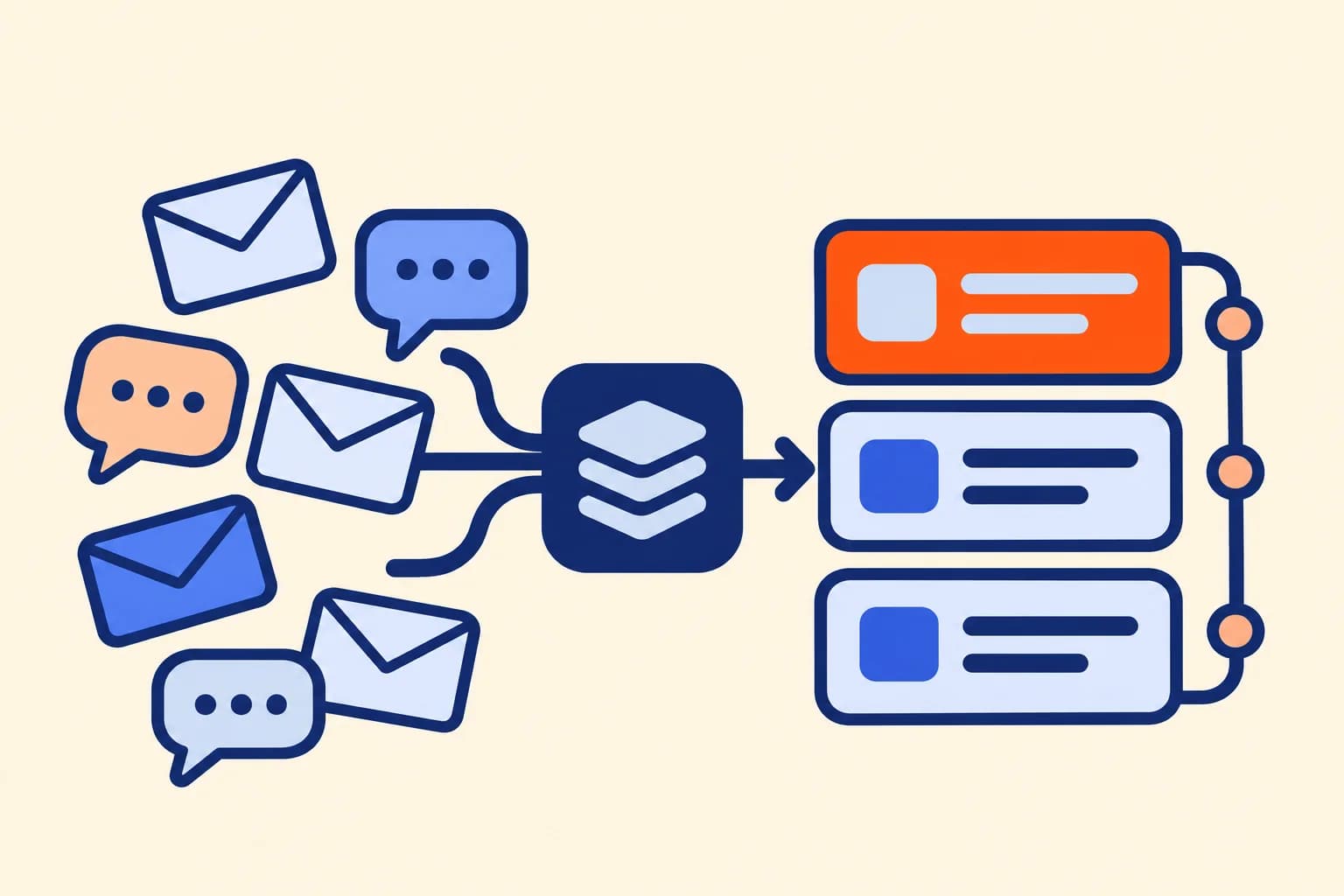
A tag can represent a person, an organization, a place, or a concept. If the system retains only a text string, namesakes, variants, and relationships become hard to manage. In our tag optimization work, we have built a semantic layer over the existing catalog: it proposes useful information, verifies references, and allows review before publication.
Start with identity
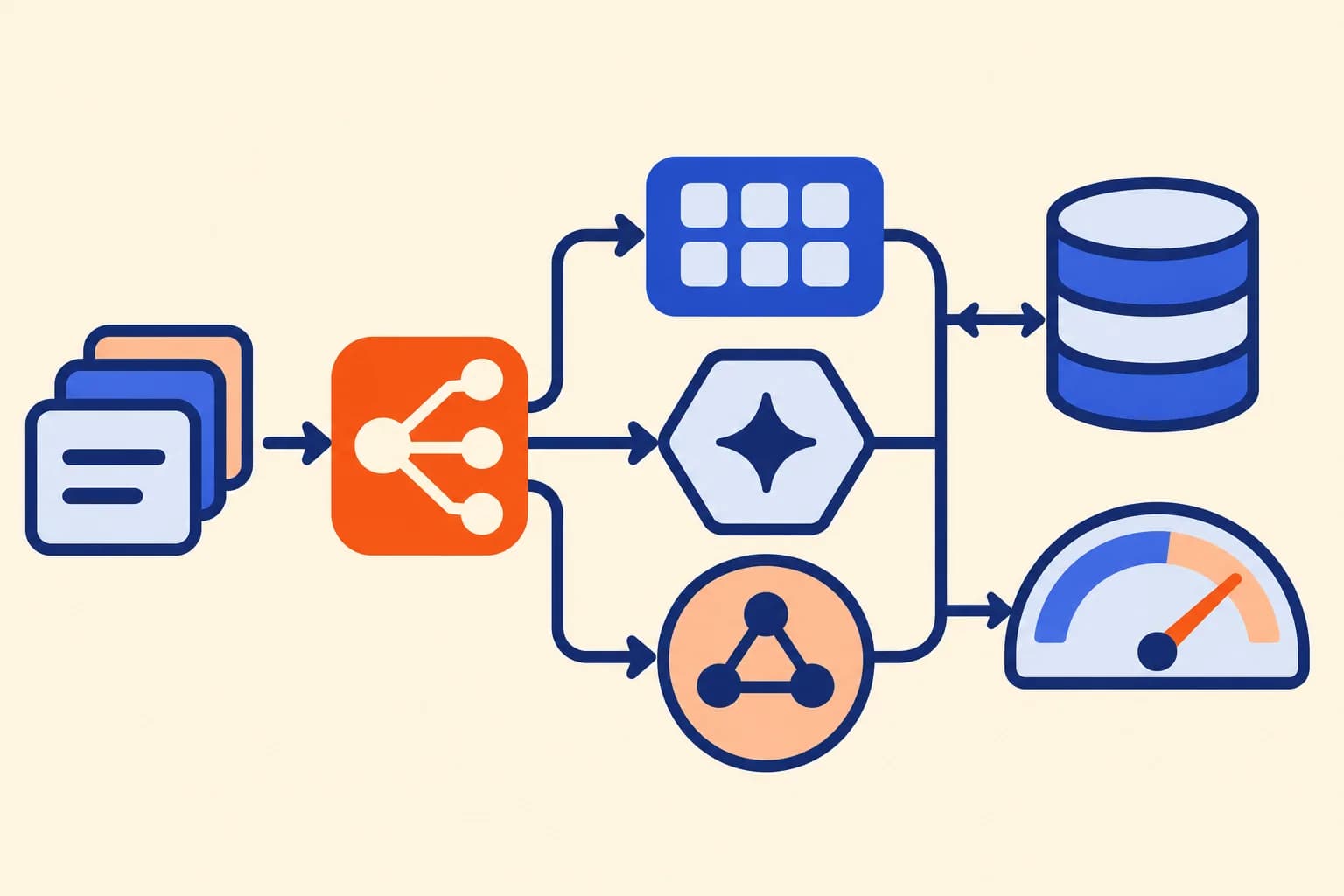
The pipeline finds candidates in entity sources and selects among verifiable options. It then creates a profile with type, disambiguation, aliases, concepts, relationships, and SEO metadata. Invented identifiers are rejected. For a concept without an external entity, a missing identifier is not automatically treated as poor quality.
The catalog remains the authority: enriching an existing tag and creating a new one are separate operations. The project prevents generation from turning a suggestion into an unnoticed expansion of the CMS.
Review content and freshness
Proposals pass schema validation and enter a review queue. A confidence indicator prioritizes cases; it does not publish. Its signals include entity verification, retries, and profile consistency; it is not a universal probability of correctness. Owners can edit the proposals and check the sources.
Temporal rules define when to reevaluate. A person can change roles; an event has dates; a stable concept may need less frequent review. Rules and prices are versioned. If a reevaluation leaves the content unchanged, we avoid creating empty review work just because a technical timestamp was updated.
Recommend tags for new content
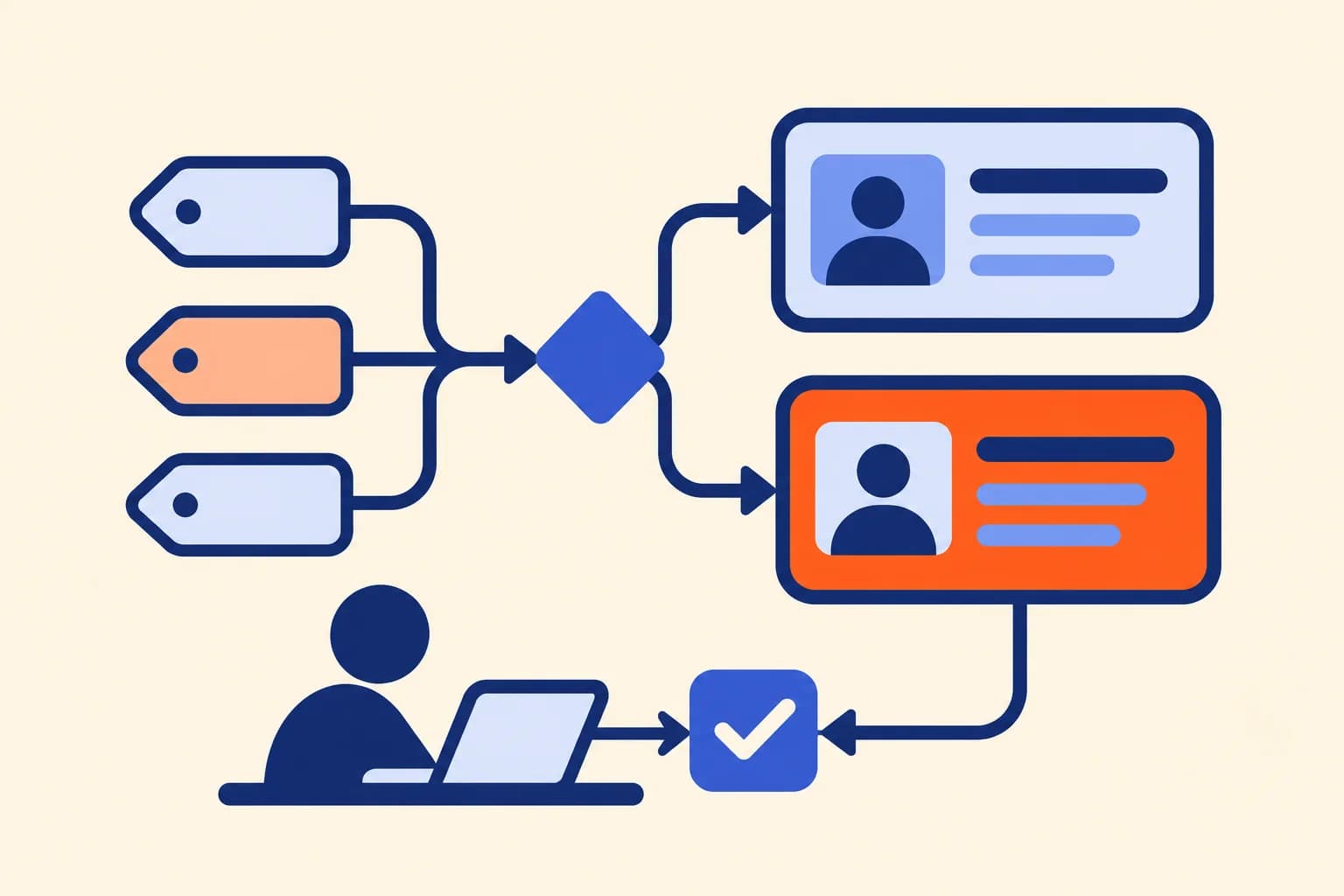
Another layer uses the catalog to recommend tags for new pieces. It combines exact, lexical, and semantic signals, and retains evidence of how each candidate appears. The recommendation distinguishes central entities from incidental mentions. Thresholds are calibrated with reviewed examples: embedding similarity does not mean the same thing for every content type.
Operate without surprises
Batches record usage and costs. Scheduled tasks have their own activation flags, overlap locks, and retry limits. A deployed system can keep automation switched off while it is verified; having a cron job is not the same as publishing autonomously.
Delivery includes the enriched catalog, editorial criteria, review, and traceability. It can connect topics to search, navigation, and contextual segmentation within the agreed scope. The result we aim for is an explainable, maintainable taxonomy, not a list of generated words without an owner.