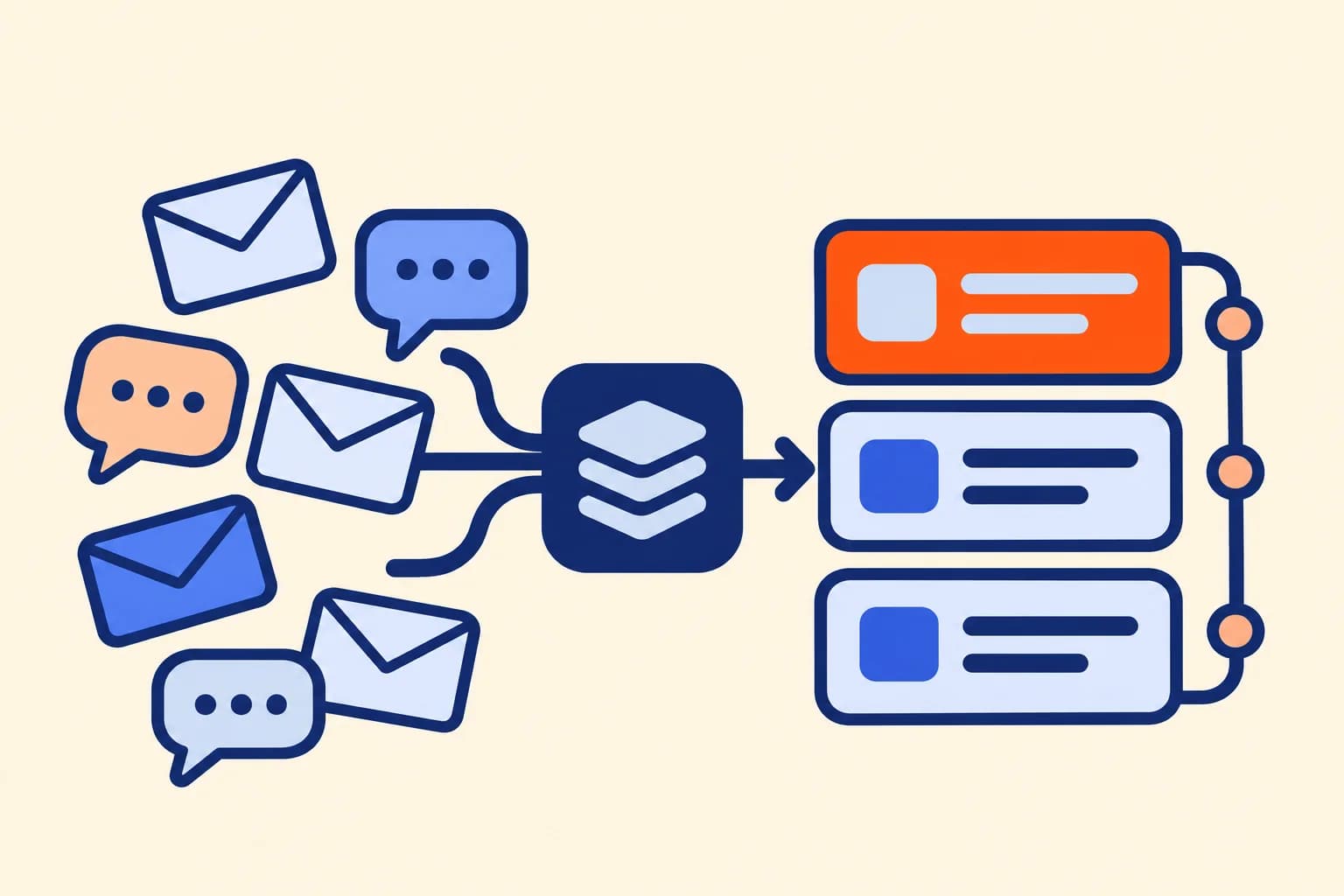
A business does not need to start by buying a chatbot for every department. The starting point is a process: a request comes in, someone looks for information, another person prepares a response, and an owner decides. Designing agents requires knowing that path, including changes in priority, missing data, and the exceptions a person resolves today.
Map the work before choosing the model
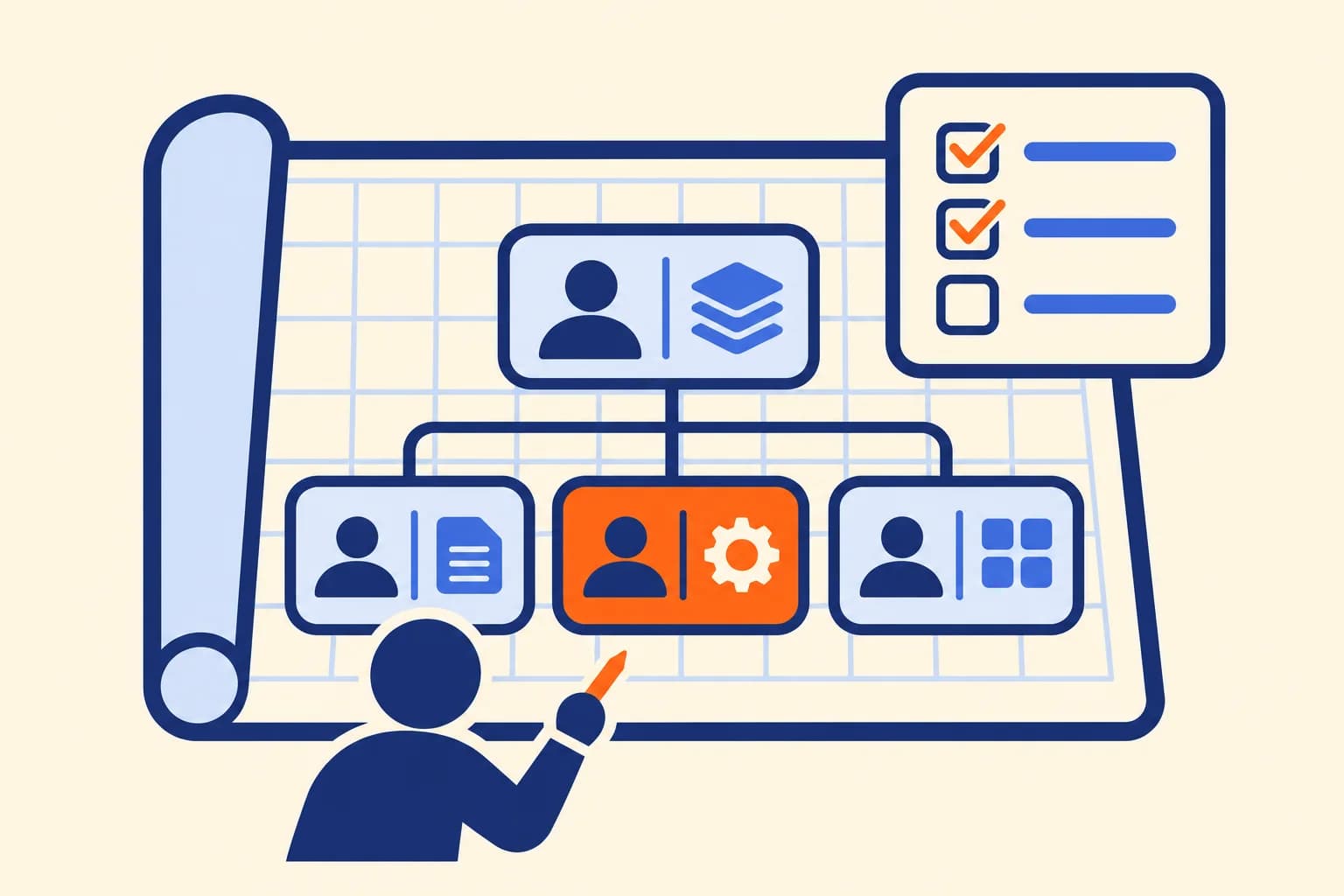
In the diagnosis we identify inputs, systems, owners, and outputs. We separate the task from its business decision: collecting invoices does not grant permission to post them; analyzing a contract does not authorize accepting it. The first deliverable is a process map with concrete actions and observable acceptance criteria. The team should be able to explain which result saves it work and how it will detect an error.
Specialists with working contracts
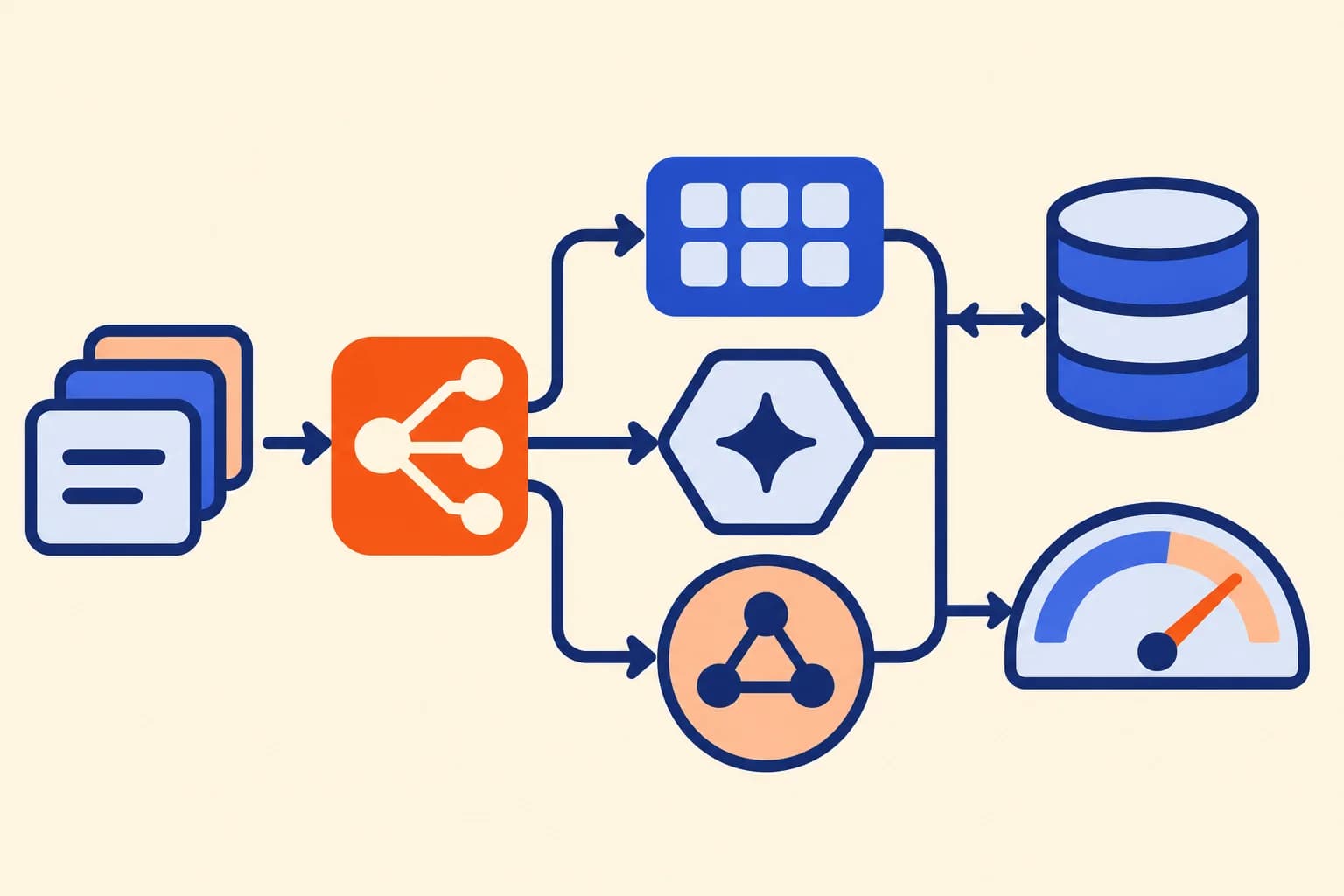
Then we distribute roles. A research agent gathers evidence; an analyst structures it; an executor prepares changes; a reviewer checks the result. Not every process needs all four. Each role receives only the tools and data it requires, a defined output, and time and cost limits. Independent steps can run in parallel; decisions that depend on another result wait until it has been validated.
Customization combines instructions, real examples, vocabulary, company rules, and connections to its tools. Keeping those pieces versioned makes it possible to correct a criterion without rewriting the whole automation. A skill contains a reusable procedure; the agent brings responsibility and permissions; the workflow orders execution. Separating them makes maintenance and model replacement easier.
Test with difficult cases
The pilot uses representative, duplicate, incomplete, and contradictory requests. We measure whether the expected result is obtained, what it costs, what information is missing, and how many interventions it needs. The evaluation includes tool failures and answers that look correct but lack evidence. A perfect demo does not describe the workload of a real week.
Deliver an operable capability
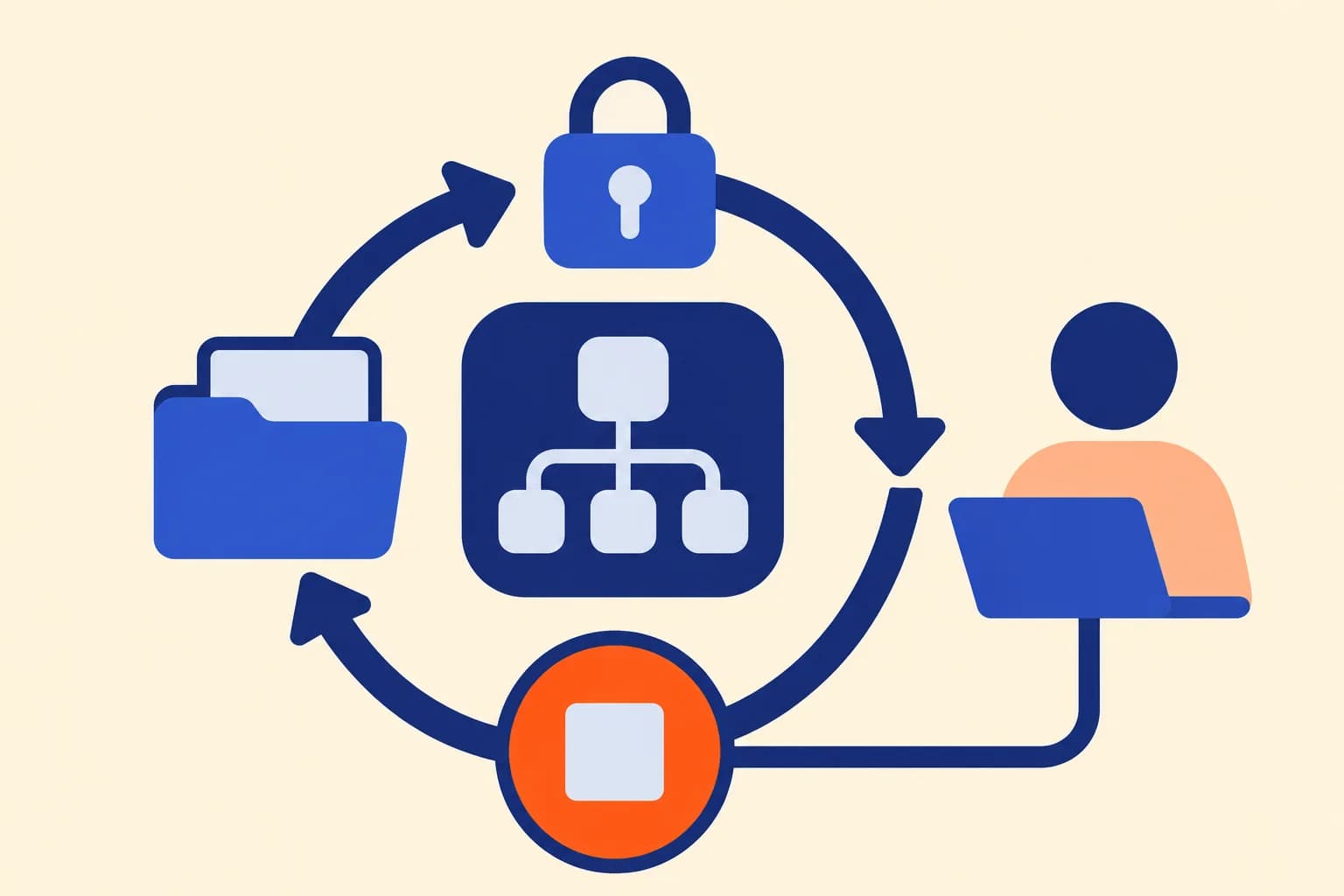
Deployment includes configuration, documentation, a status dashboard, a permissions review, and a stop procedure. The business keeps an owner who approves exceptions and changes criteria. Autonomy grows by action type as its behavior is verified. That way we can start with a bounded process and expand the team without turning every addition into a project from scratch.