In a daily newspaper with many templates, third parties, and continuous publishing, a generic list of recommendations falls short. Our work combines site observation, search data, logs, and application review. The goal is for each change to have a specific reason, an owner, and a check that shows whether it produced the expected behavior.
Build a shared interpretation
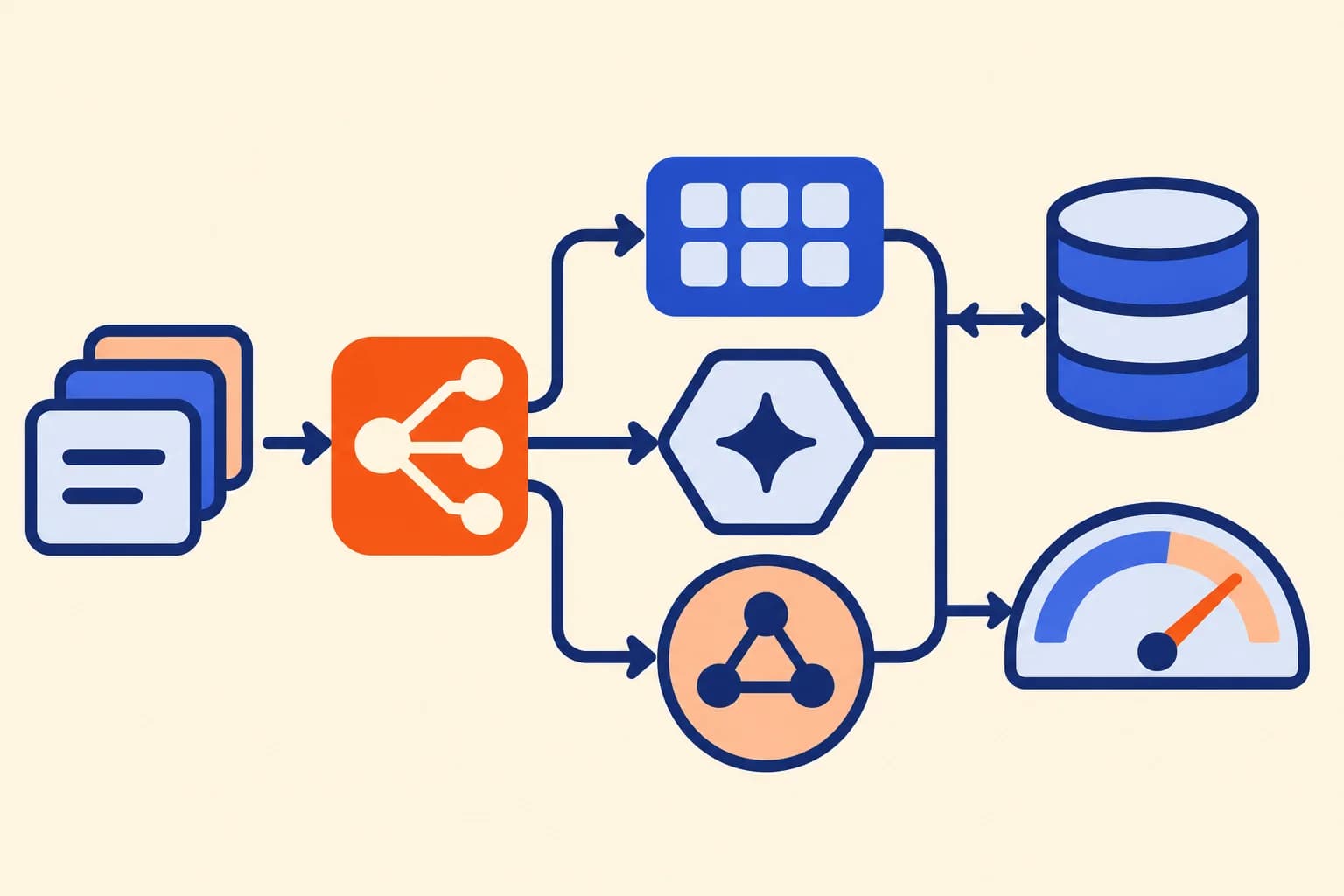
Sources are connected by URL, template, host, and period. Logs show requests and responses; a crawl describes what the tool reached; Search Console reports performance on its own surface. Analytics systems record visits under their own attribution rules. Making that difference visible prevents treating every counter as a version of the same number.
Prioritize patterns with impact
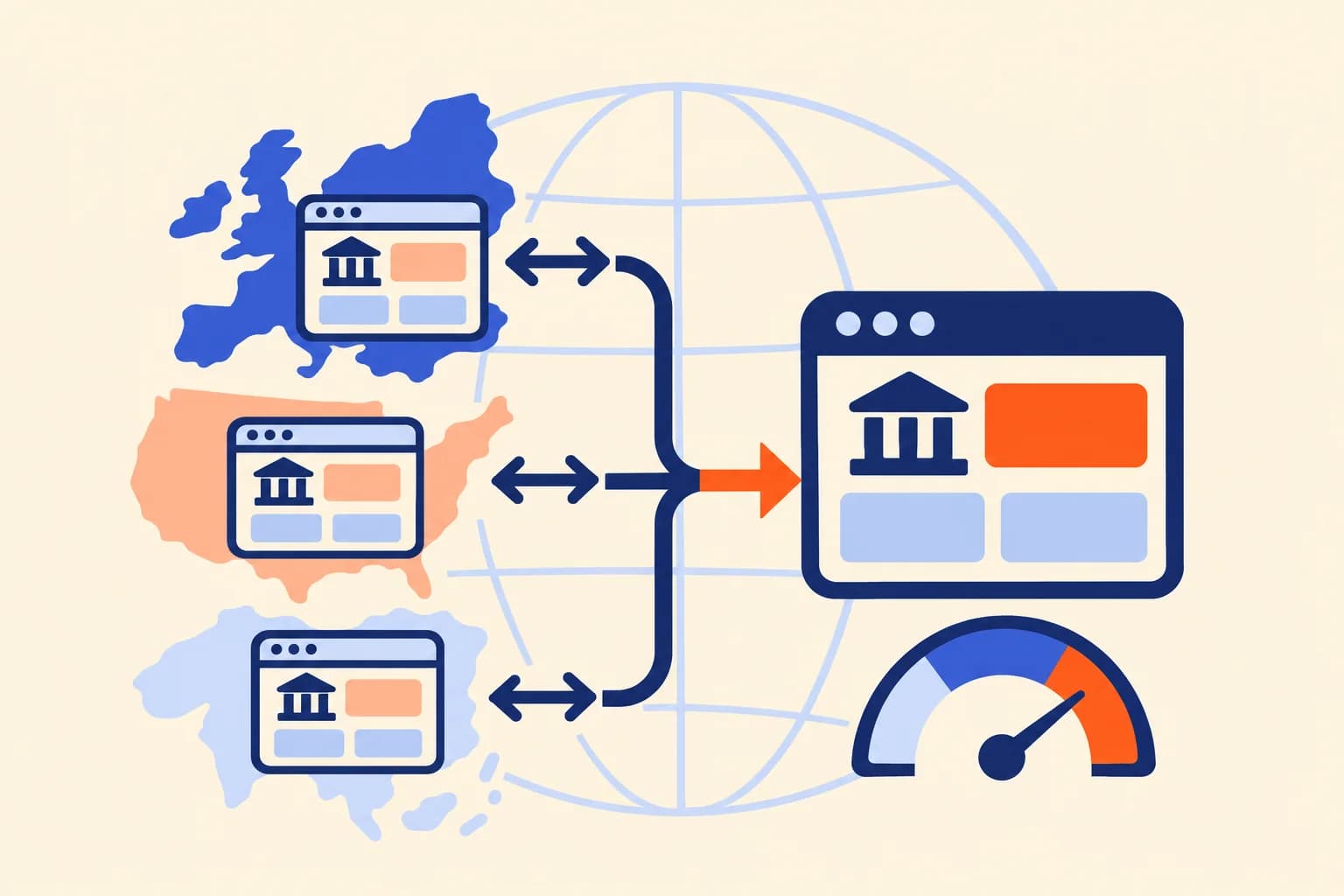
We review page and resource errors, redirects, indexability, discovery, and bot behavior. Template analysis helps locate problems that affect thousands of pages through a common cause. Prioritization combines scope, page value, severity, and correction effort. A broken icon can create substantial noise and deserve a fix; its request volume does not automatically make it the archive's biggest SEO issue.
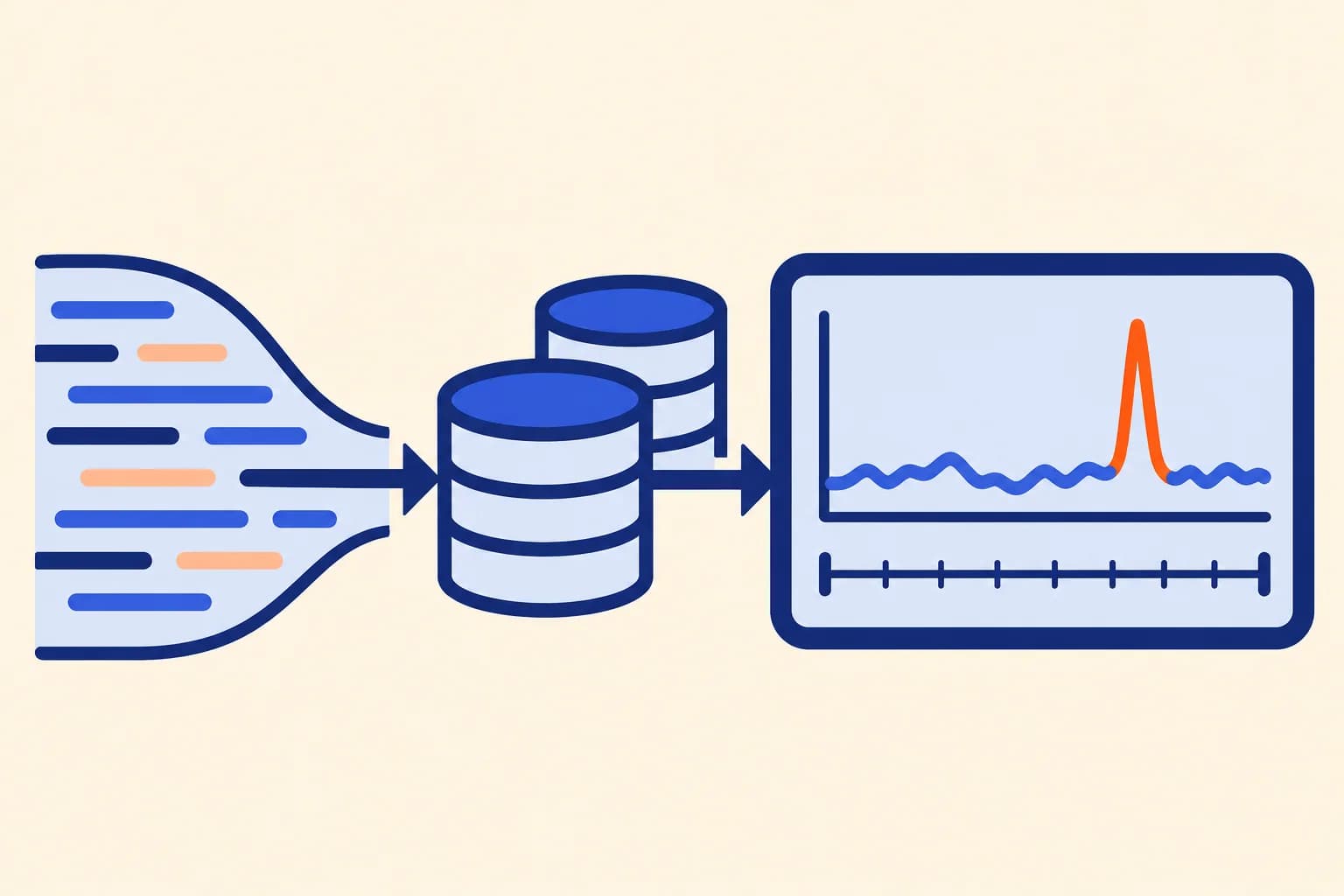
Performance work uses comparable observations and bounded changes. In log operations, we have reviewed filters, retention, processing cost, and sizing. Order matters: first establish which data is necessary and verify that relevant signals are not lost, then adjust resources. Downsizing a machine without checking the ingestion window can reduce the bill and break the diagnosis.
Measure presence in AI answers
We also analyze citations in AI search engines, visits attributed to AI tools, and the crawling by their bots. A citation is not a click, and these sources do not cover the same ecosystems. We compare content profiles, dates, markup, and update signals. Findings guide what to investigate and improve, without attributing causation to a correlation between different dashboards.
Turn analysis into delivery
Each issue retains evidence, a hypothesis, a proposed change, and verification criteria. It is tested in the appropriate environment and observed after deployment. Documentation distinguishes applied changes from pending work instead of presenting an optimization plan as a measured improvement.
This approach supports working with engineering, SEO, and product at the same time: correcting specific failures, maintaining the observation infrastructure, and identifying editorial opportunities. Results are reported with dates, populations, and limits so the team can decide on a signal it understands.